
Assess. Plan.
Support. Succeed.
At After-School Success Learning, we believe the right support begins with clarity. Before recommending tutoring, we first understand each learner’s strengths, challenges, learning gaps, curriculum, and academic goals.
Our diagnostics-led approach helps students receive targeted support that builds skills, boosts confidence, and creates measurable progress.


Why We Start With Diagnosis
Many students do not struggle because they lack ability. They struggle because specific learning gaps, weak foundations, or misunderstood concepts have gone unnoticed.
Traditional tutoring often begins with more lessons. ASL begins with understanding.
Through diagnostic assessment, we identify where the learner is now, what may be holding them back, and which support path will help them improve with confidence.
Clarity Before Support
We identify the learner’s current level before recommending a support plan.
Focused Intervention
We target the exact skills and concepts that need attention the most.
Better Parent Insight
Parents receive a clearer understanding of their child’s academic needs and next steps.
The ASL Learning Cycle
Our approach follows a structured cycle designed to help every learner move from uncertainty to clarity, from gaps to mastery, and from low confidence to measurable growth.
1. Assess
We evaluate each student’s strengths, challenges, learning gaps, and academic needs.
2. Plan
We create a personalised Success Plan with priority skills, recommended session frequency, and a path to mastery.
3. Support
Our tutors provide focused instruction, guided practice, exam-style application, and encouragement.
4. Succeed
We track progress, validate mastery, celebrate growth, and recommend next steps.




The Diagnostic Assessment
The diagnostic assessment is the first step in understanding your child’s learning needs. It helps us identify current strengths, topic-level gaps, weak foundations, and areas that require focused support.
This assessment gives parents a clearer picture of where their child stands and what kind of support will make the greatest difference.
- Current academic level
- Subject strengths and weaknesses
- Learning gaps
- Curriculum alignment
- Study habits
- Exam readiness
- Confidence and support needs
A Support Plan Built Around Each Learner
After the diagnostic assessment, ASL creates a personalised Success Plan. This plan outlines the learner’s priority areas, recommended support format, session frequency, academic goals, and progress milestones.
No two learners are treated the same. Each plan is designed around the student’s school, curriculum, strengths, challenges, and long-term growth needs.
Priority Topics
The key concepts and skills the learner needs to strengthen first.
Recommended Support
The best-fit program and delivery format for the student.
Session Frequency
A suggested support schedule based on the learner’s needs.
Progress Goals
Clear milestones to help parents track improvement over time.

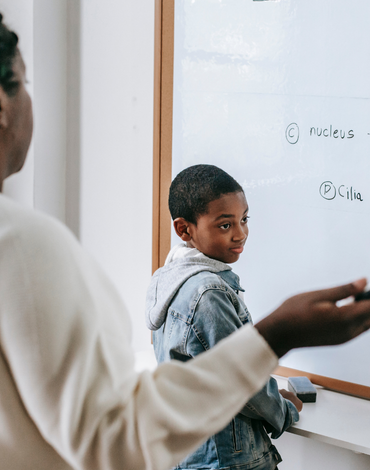
When students understand deeply, confidence grows.
We Believe
Every Learner Can Succeed

Teaching for Mastery
ASL sessions are designed to help students truly understand, not simply memorise. Our tutors guide learners through concepts step by step, correct misunderstandings early, and reinforce learning through guided practice.
- What has been covered
- What is improving
- What needs further support.
What the Assessment Covers
The diagnostic assessment gives ASL a clearer picture of the learner’s academic position, learning needs, and support priorities.
Current Academic Level
We review where the learner currently stands in relation to their grade, curriculum, and subject expectations.
Strengths and Weaknesses
We identify areas where the learner is confident and areas that need targeted support.
Learning Gaps
We uncover specific topics, skills, or foundations that may be affecting performance.
Curriculum Alignment
We consider the learner’s school curriculum, grade level, and academic goals.
Study Habits
We look at organisation, revision habits, attention, confidence, and independent learning skills.
Exam Readiness
For exam-focused learners, we assess readiness, confidence, revision gaps, and priority areas.
1. Book a Diagnostic Assessment
Contact ASL and share your child’s academic needs, curriculum, and current concerns.
2. Complete Assessment
We identify strengths, learning gaps, priority topics, and support needs.
3. Receive a Success Plan
We recommend the right program, delivery format, session frequency, and learning path.
4. Start Support
Your child begins focused academic support with progress tracking and parent updates.
How to Get Started with ASL
Why does ASL begin with an assessment?
Because effective support starts with understanding. The assessment helps us identify your child’s strengths, gaps, and best-fit support path.
Is this different from normal tutoring?
Yes. ASL does not simply repeat school lessons. We identify specific needs and create a personalised plan for progress.
How often will my child need sessions?
Session frequency depends on the diagnostic assessment, curriculum, academic goals, and urgency of support needed.
How do parents know progress is happening?
Parents receive structured updates showing what has been covered, what has improved, and what the next steps are.
Can ASL support exam preparation?
Yes. ASL supports exam preparation through topic recovery, revision planning, exam-style practice, and progress tracking.